Partnership Overview
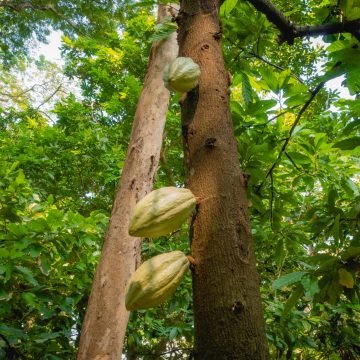
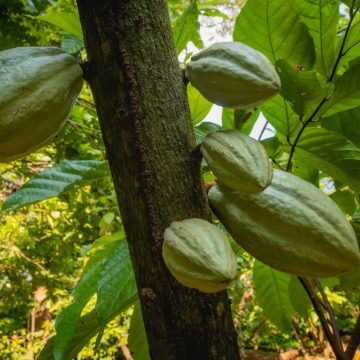
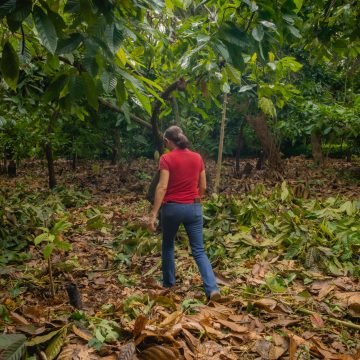
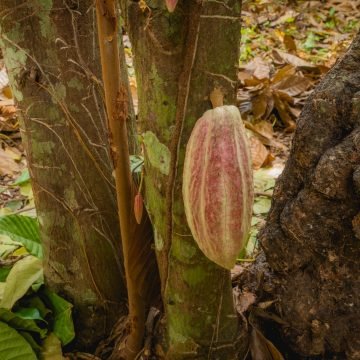
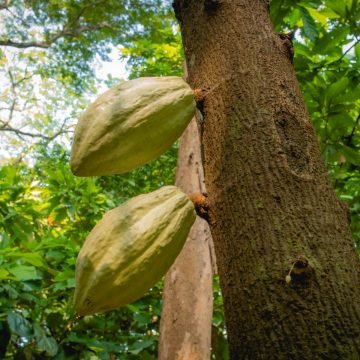
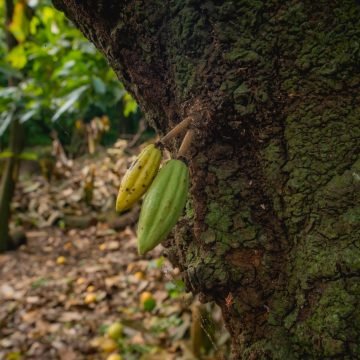
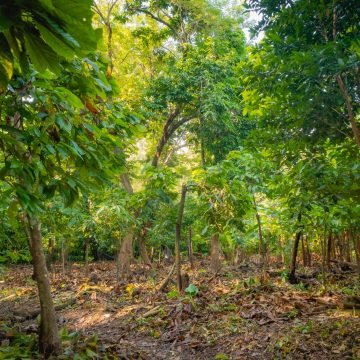
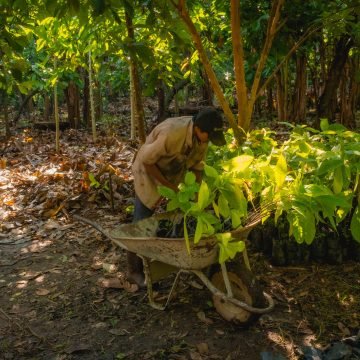
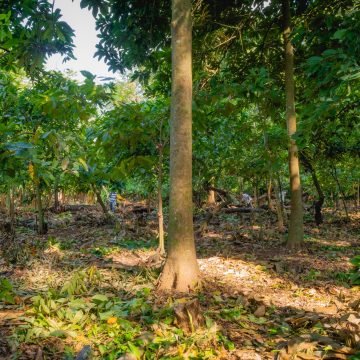
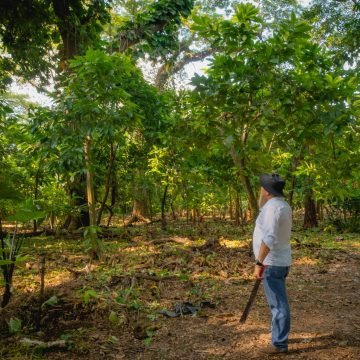
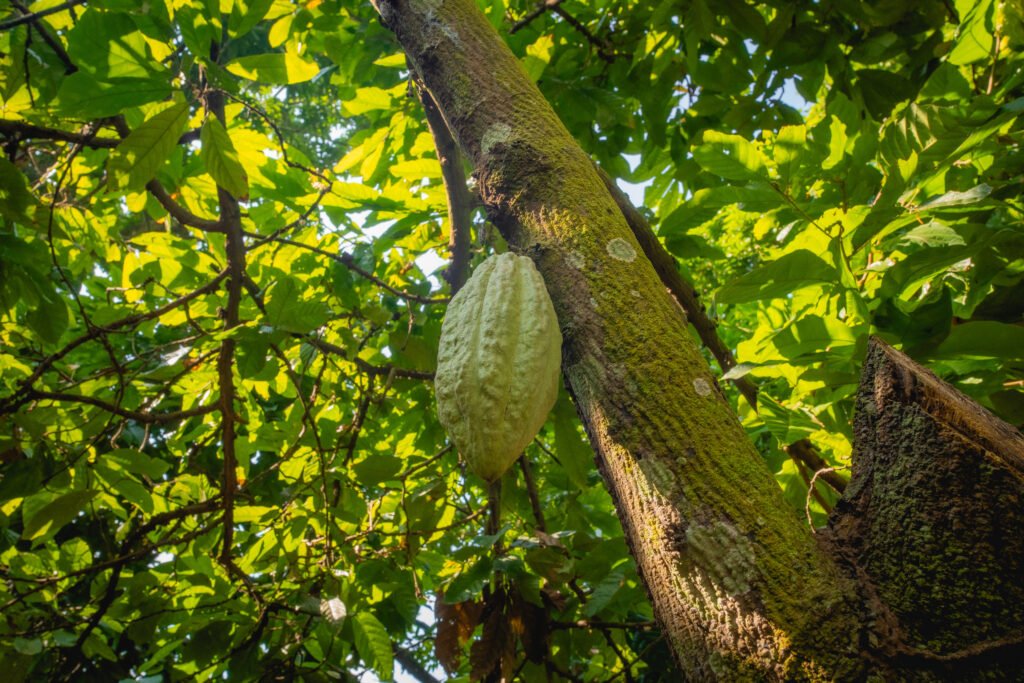
Working alongside farming families who have grown cocoa for generations, we’ve helped preserve agroforestry traditions while building new foundations for the future.
Project Overview
This project was our first microproject and the beginning of how we work at origin. In
Mexico, we spent time with cocoa farming families to understand their land, their
challenges, and where thoughtful support could make a real difference. Through a series
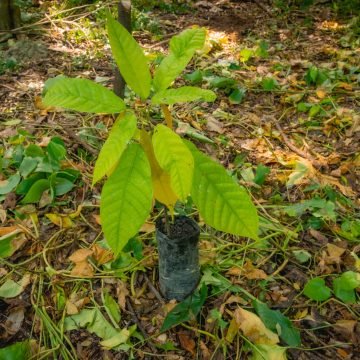
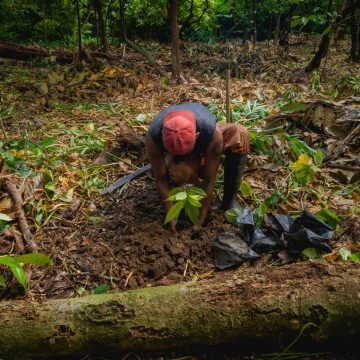
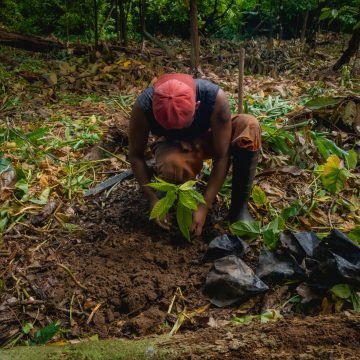
of farm-specific microprojects, we helped restore degraded land, improve cocoa quality,
and develop community-shared drying facilities that strengthen collaboration between
farmers. What started as a small, focused initiative created a ripple effect, shaping
lasting partnerships and inspiring future microprojects in other origins.
Project Outcome
Our first microproject led to tangible improvements on the ground while building strong,
trust-based relationships with cocoa farming families. Degraded and underused land
was brought back into production, cocoa quality improved through better post-harvest
infrastructure, and shared facilities encouraged closer collaboration between farmers.
Just as importantly, this project established a long-term sourcing partnership and a
practical framework for future microprojects, creating a foundation for continued impactand growth at origin.
Site Audit
Performed waste and energy assessment; estimated 4–5 tons of daily cow dung.
System Design
Custom fixed-dome digester with gas storage, slurry outlet, and underground piping.
Construction
Took 6 weeks with local masonry labor and prefabricated dome components.
Installation & Integration
Biogas piped directly to kitchen, milking parlor, and backup generator.
Training & Handover
Staff trained on maintenance, gas flow control, and slurry reuse.
Photo Gallery