Projects
Attribute
Partnership overview
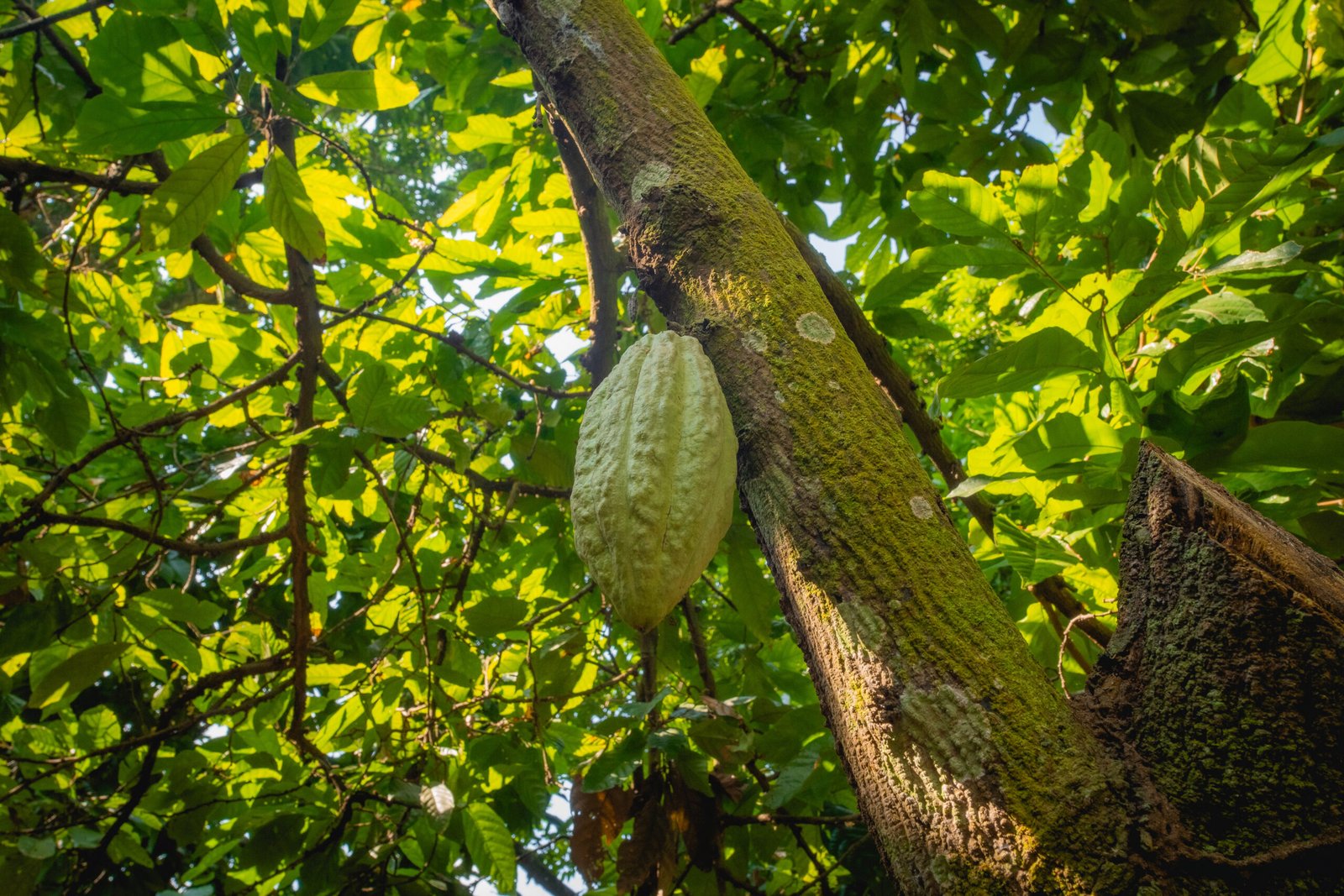
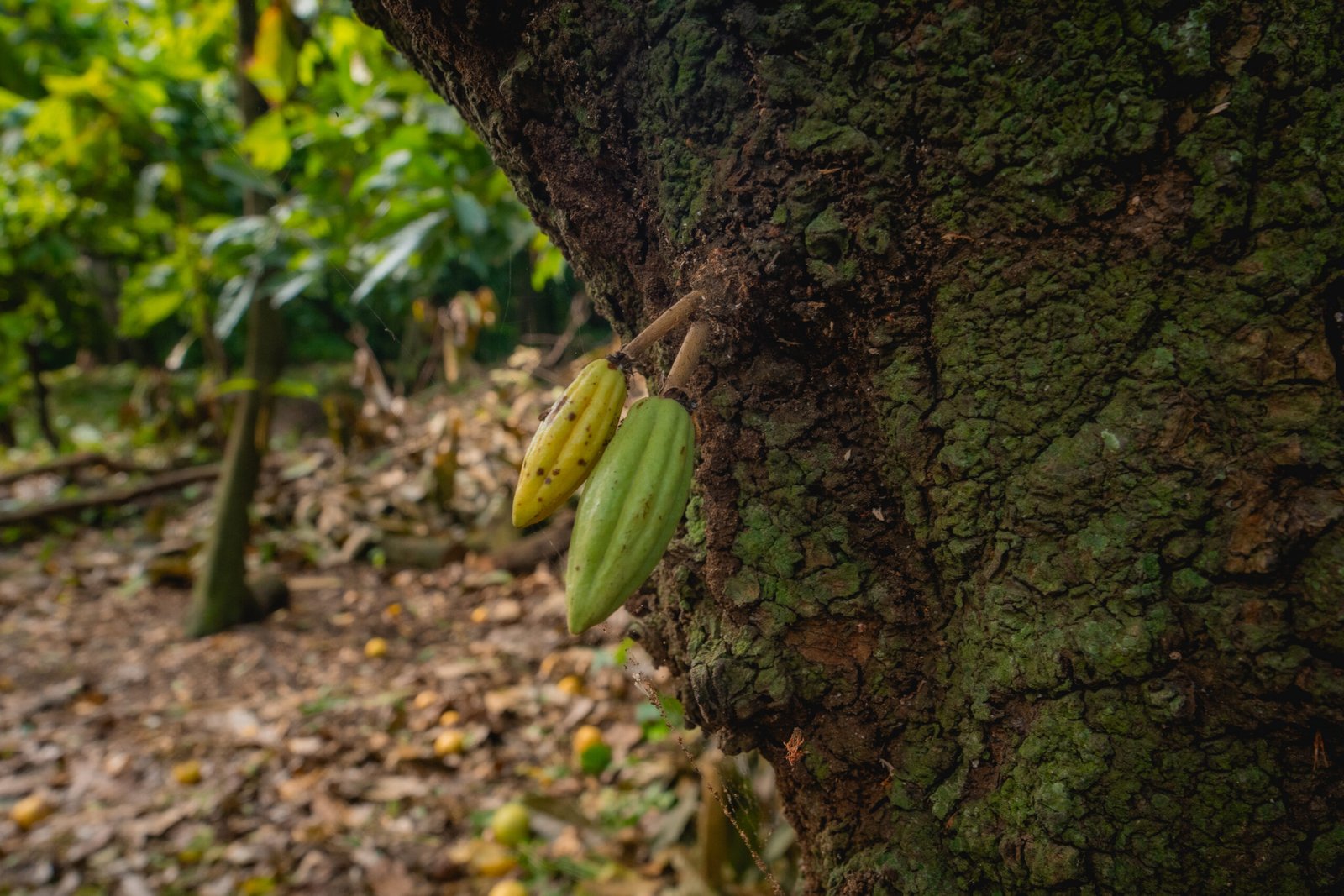
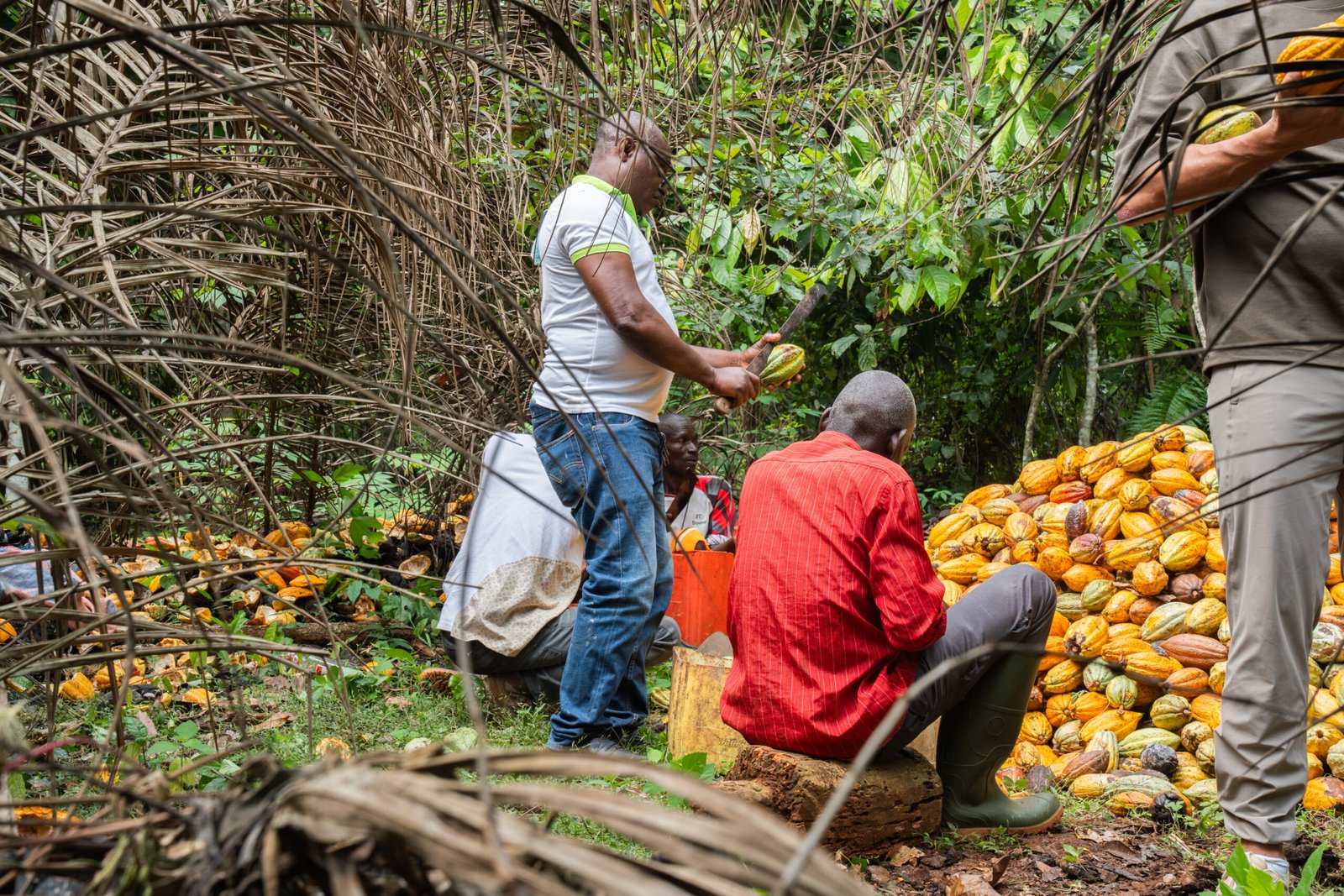
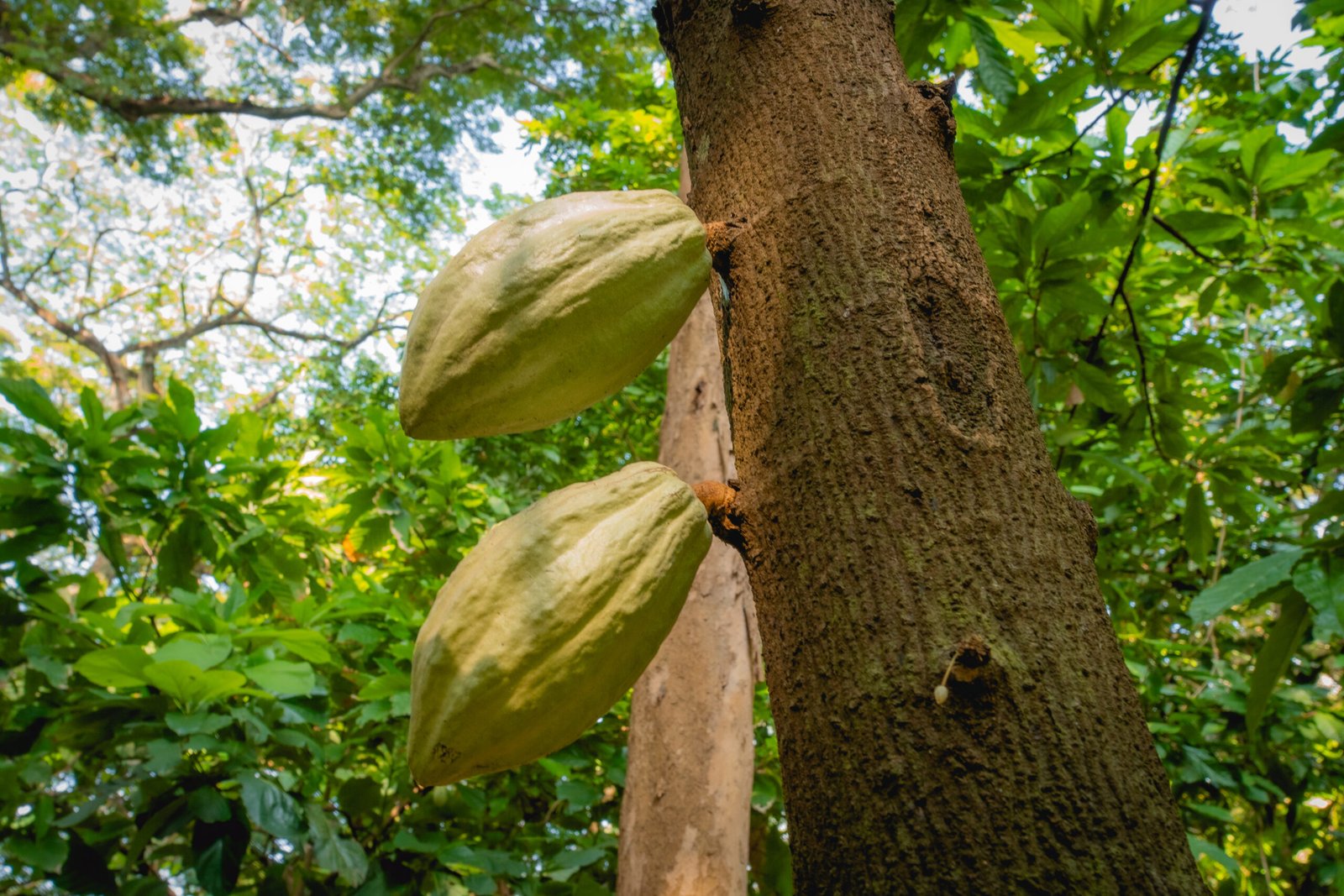
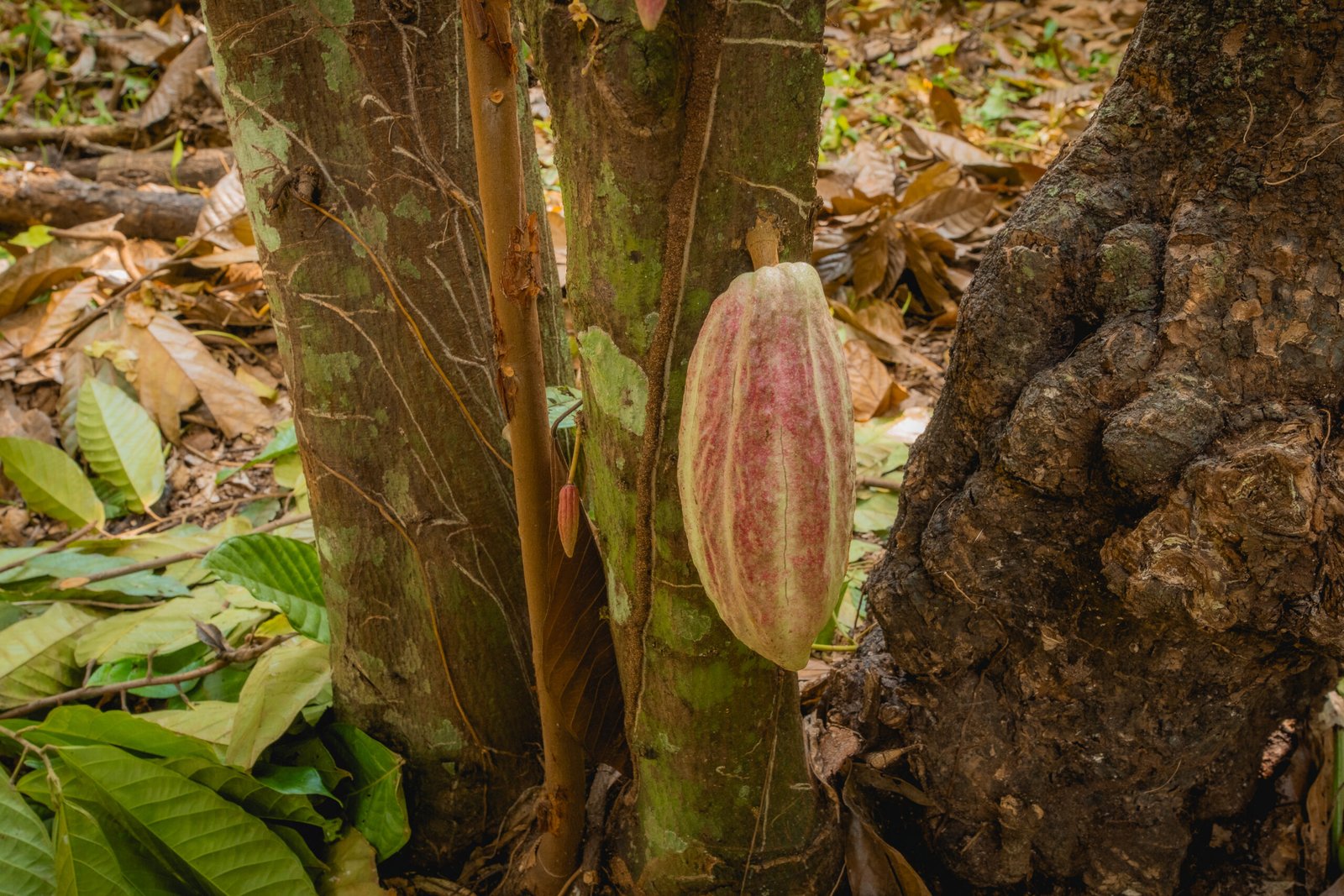
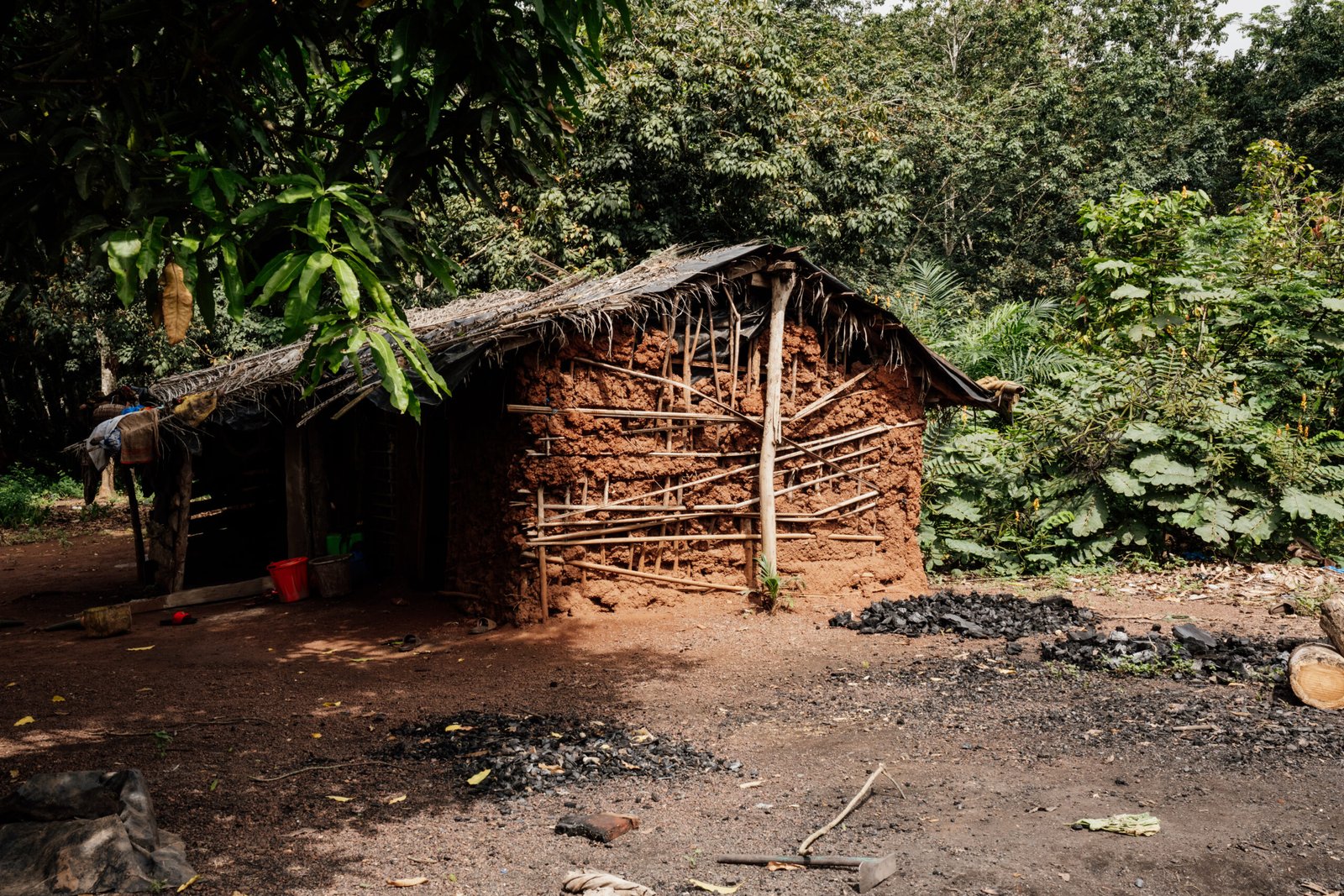
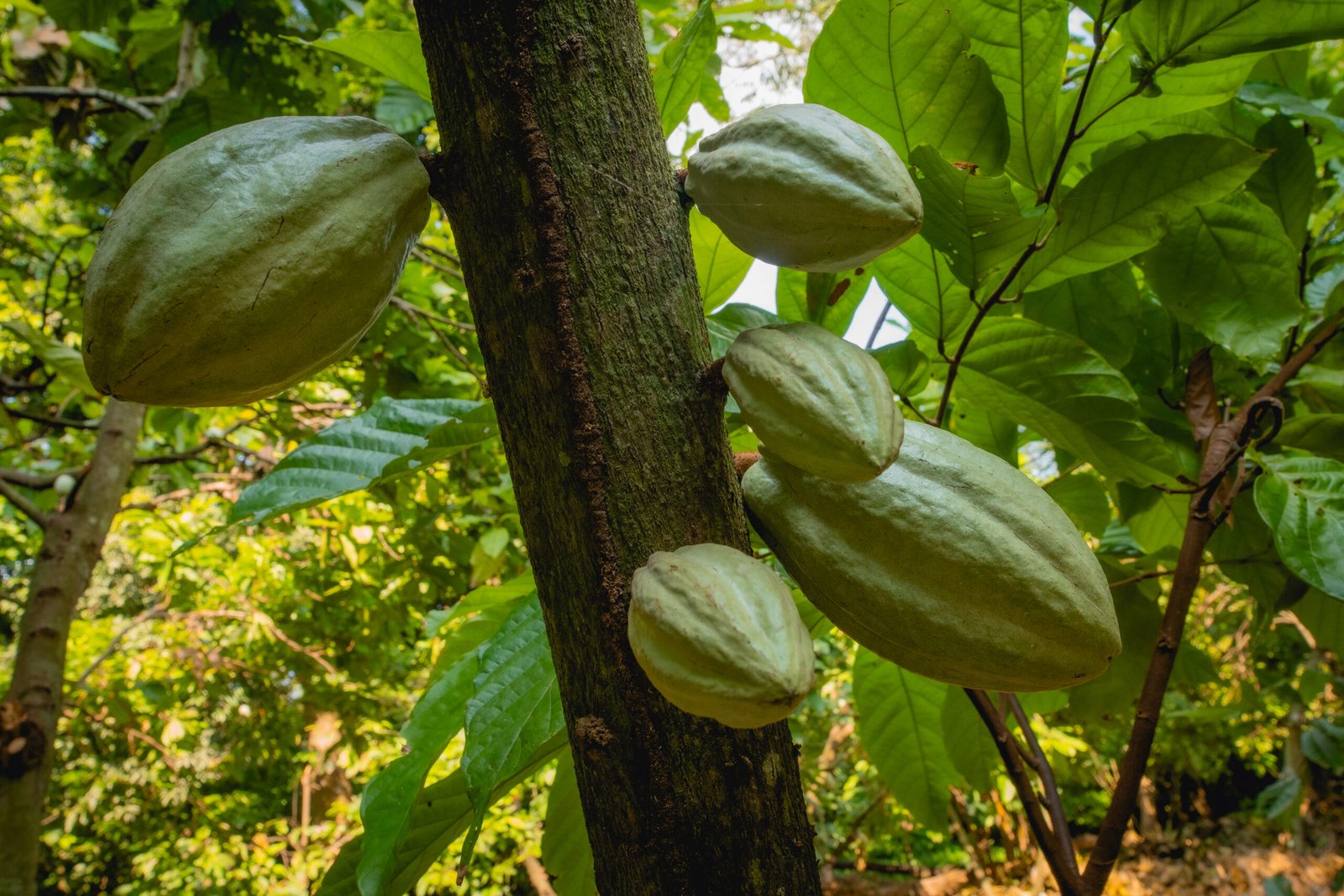
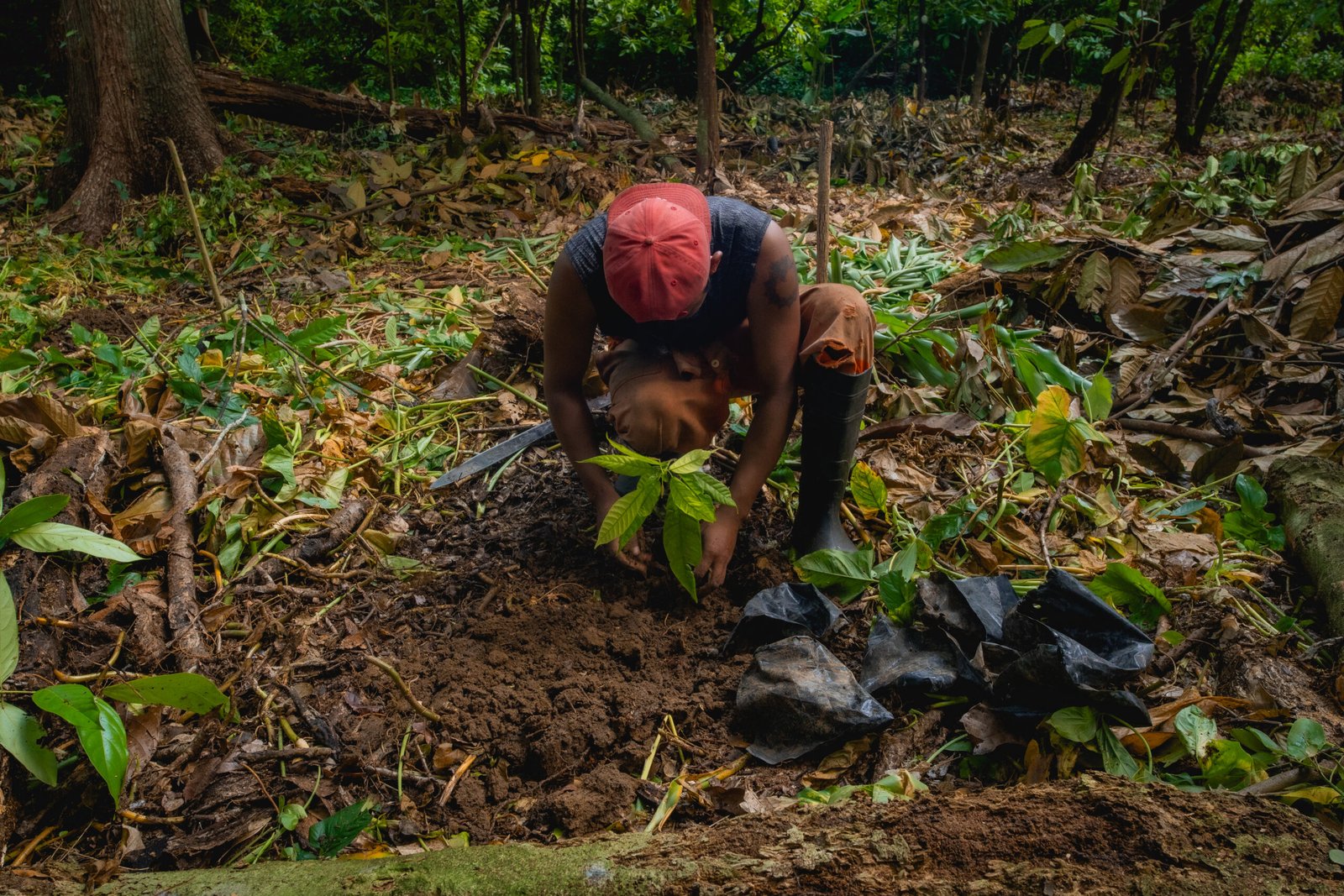
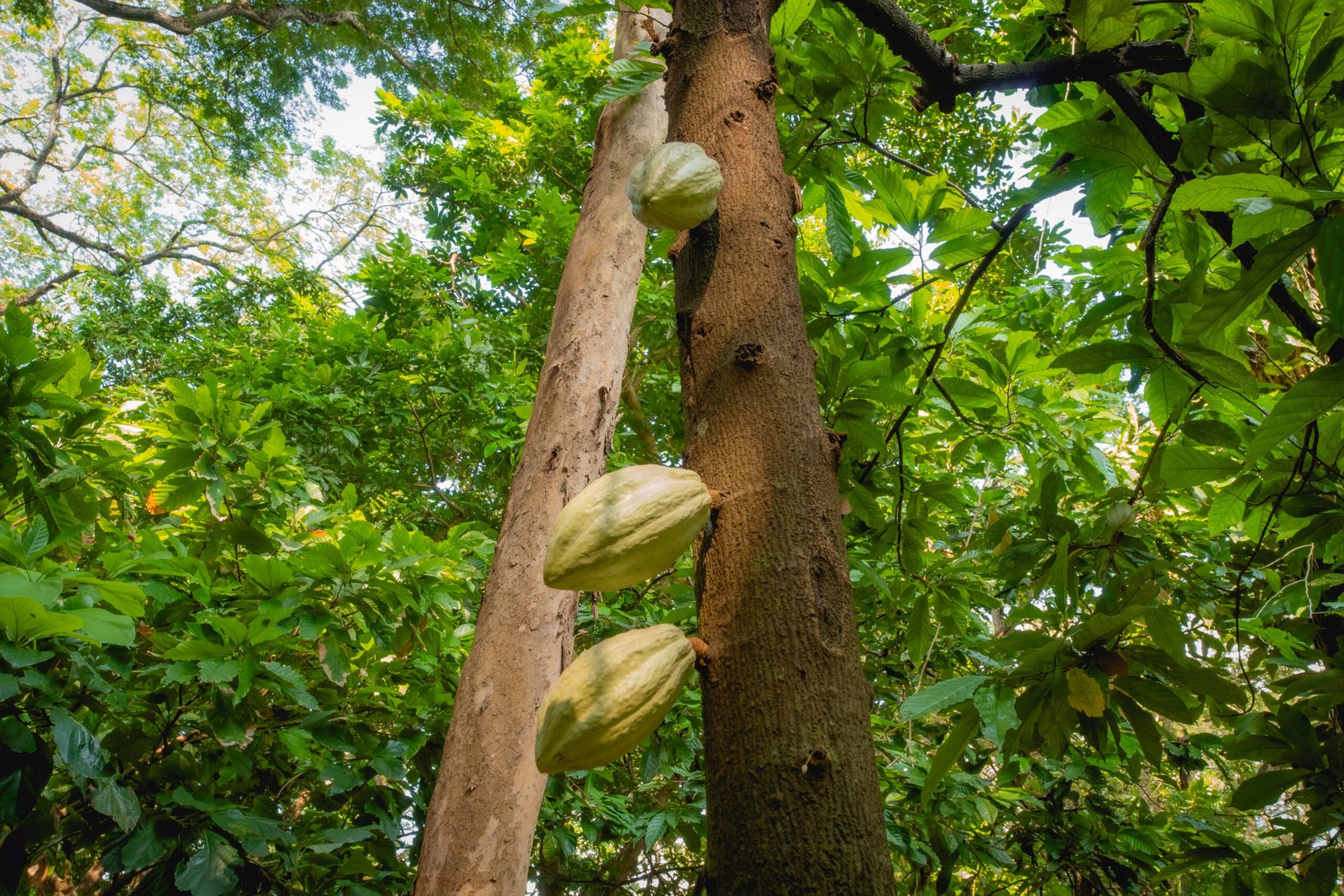
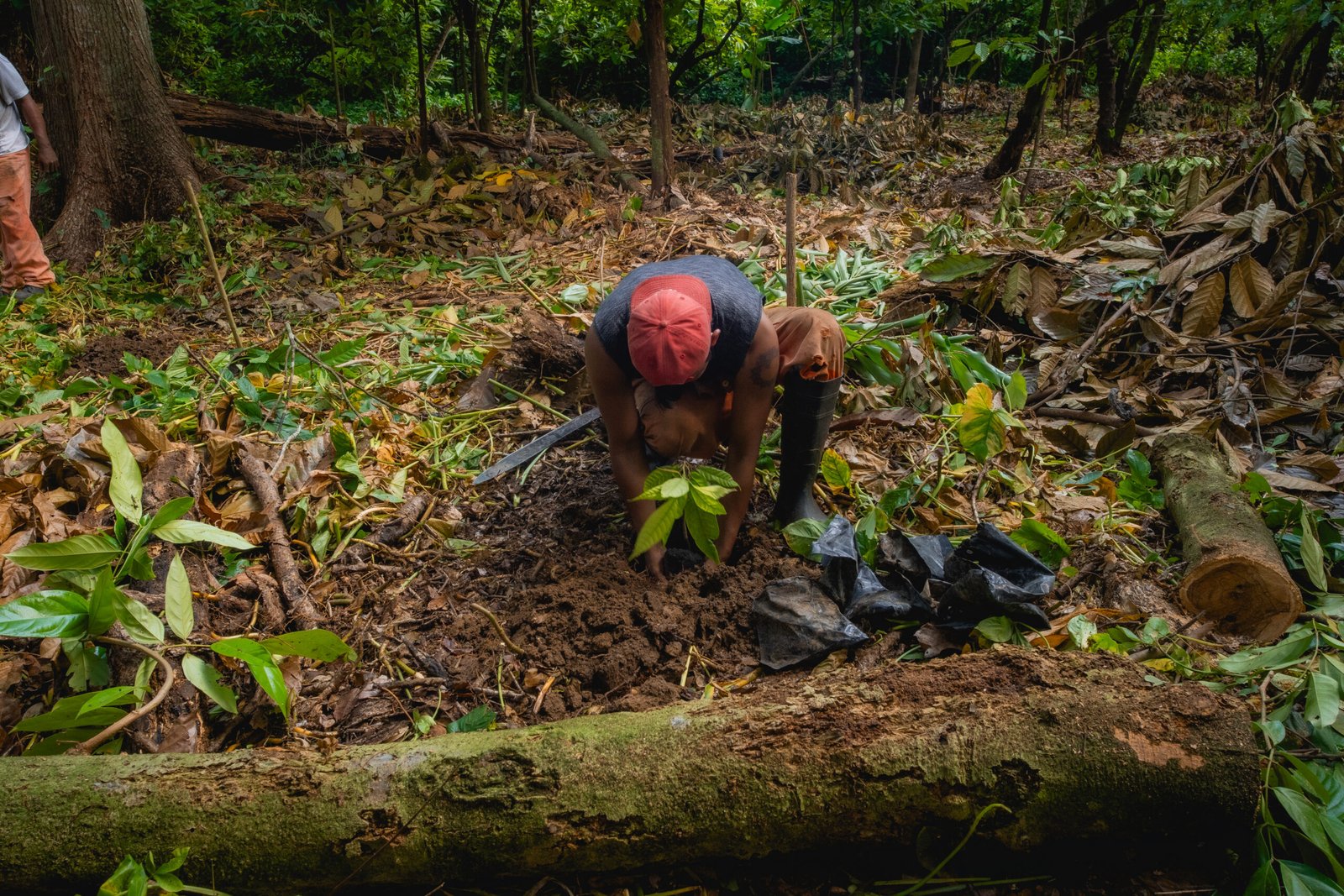
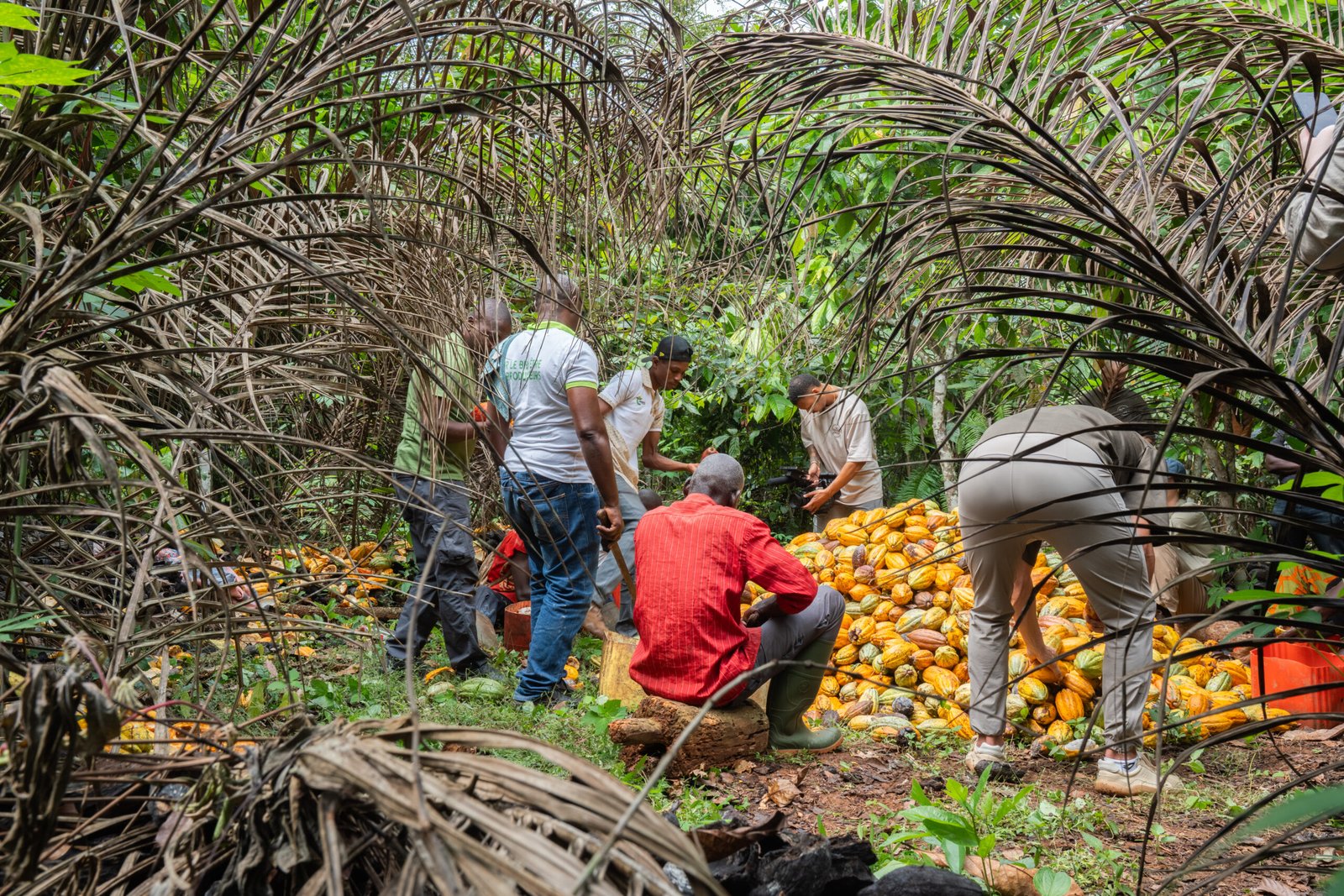
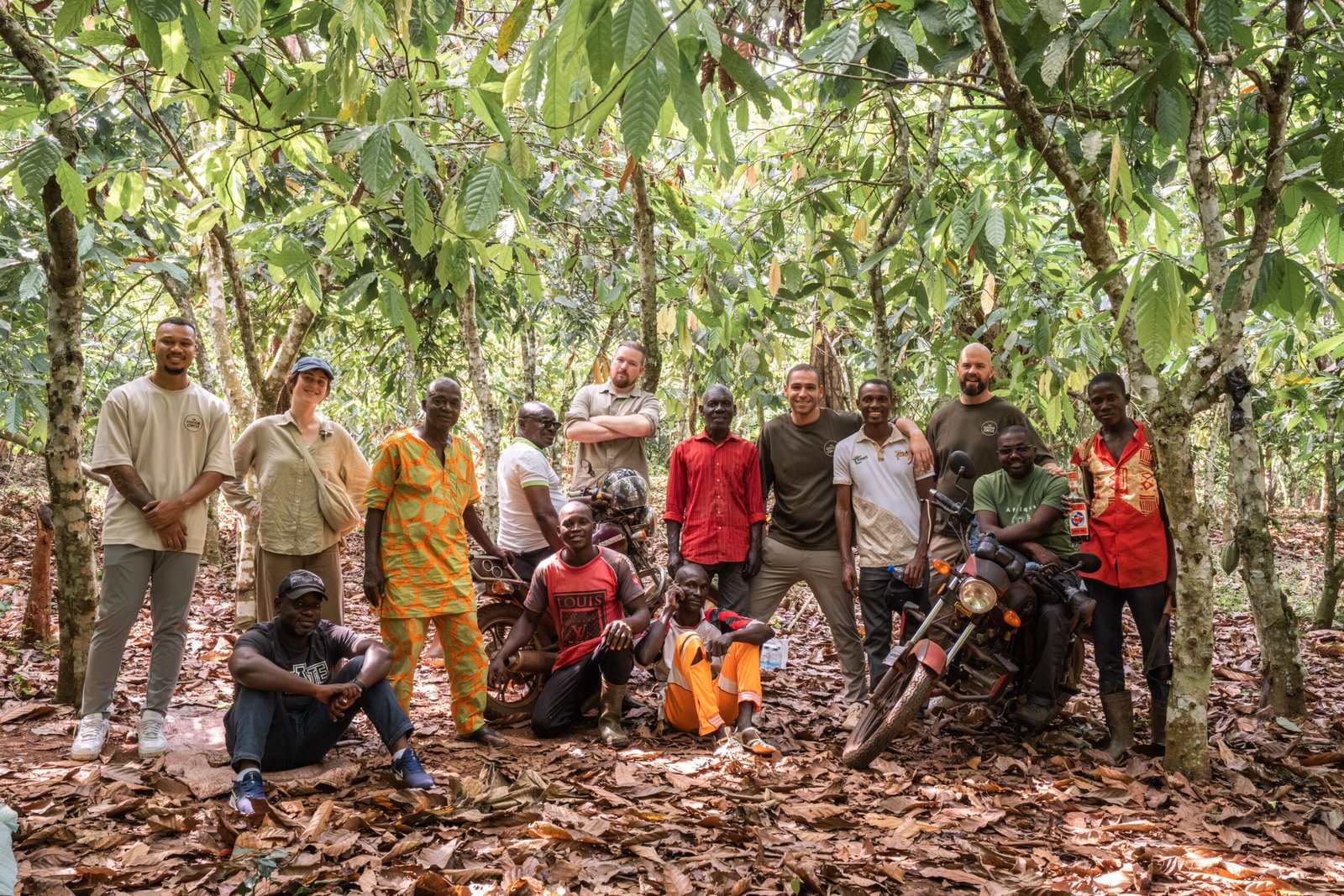
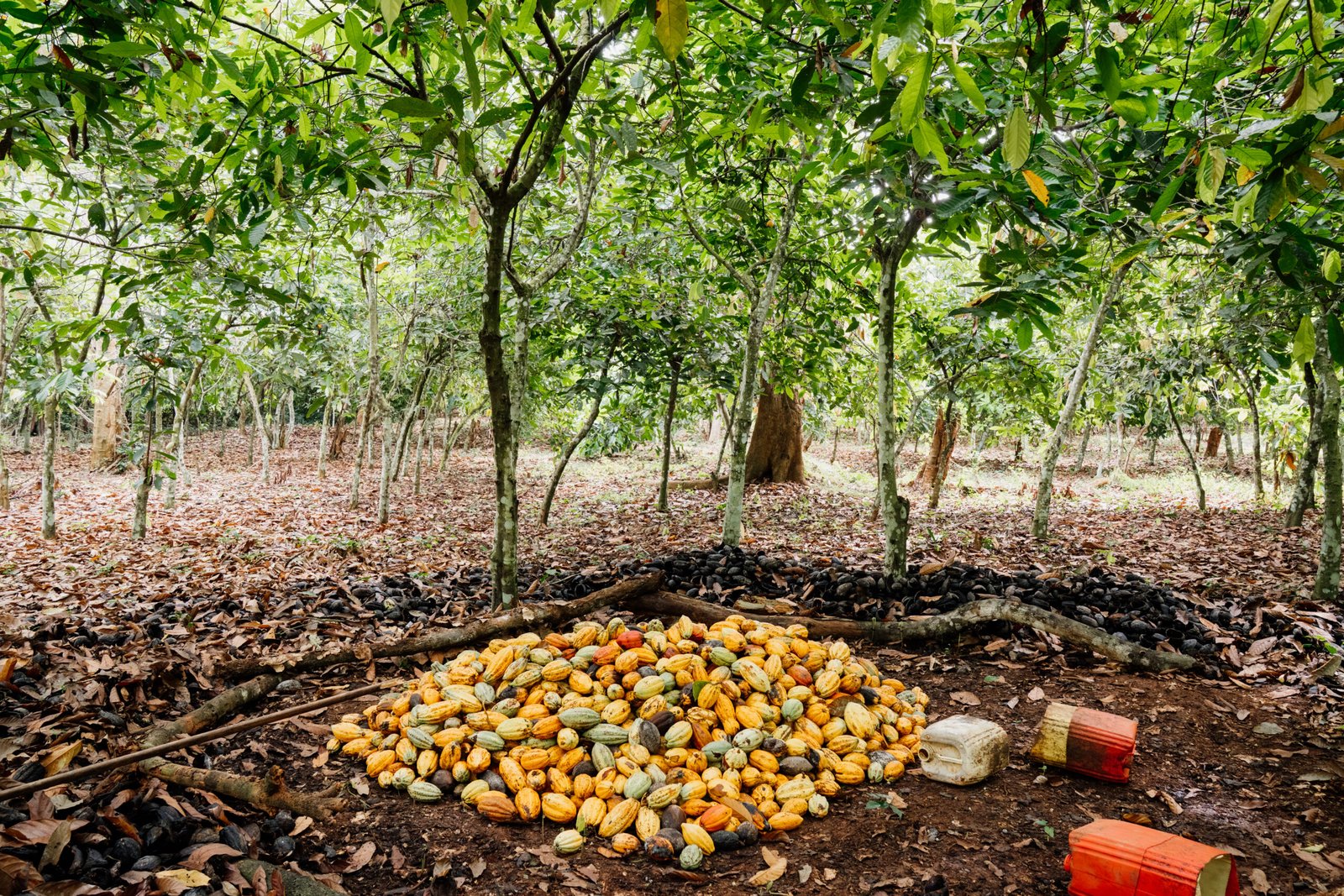
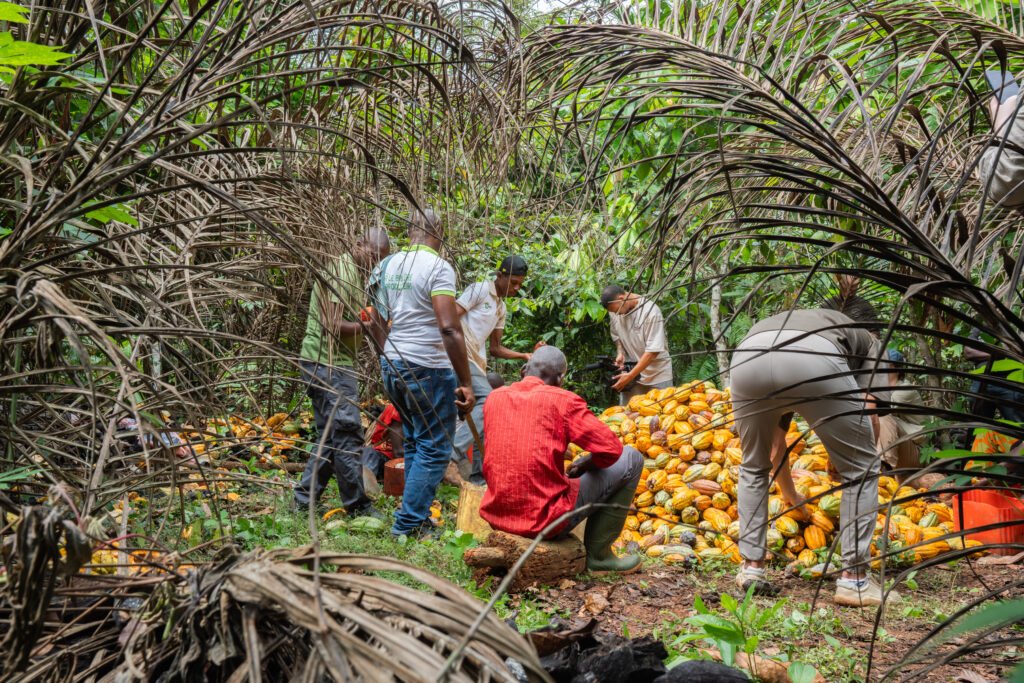
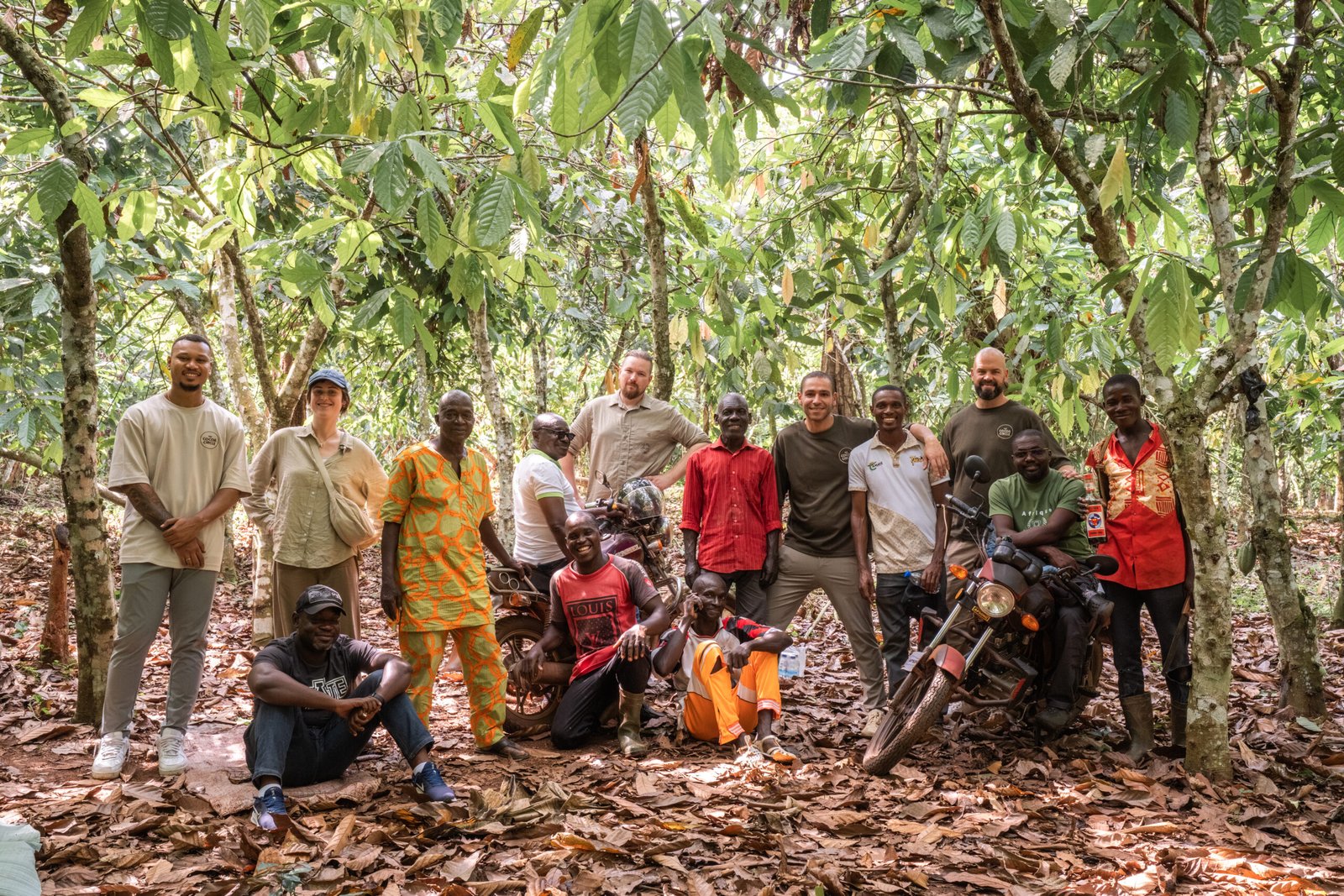
Côte d’Ivoire is the world’s largest cocoa producer and marked our first step into West Africa. In 2025, we visited the region to better understand the realities farmers face at scale, from post-harvest challenges to infrastructure gaps that directly affect quality and income. Working closely with a local cooperative, this visit laid the foundation for our next wave of impact, focused on practical improvements that support fair growth and long-term resilience.
Project Overview
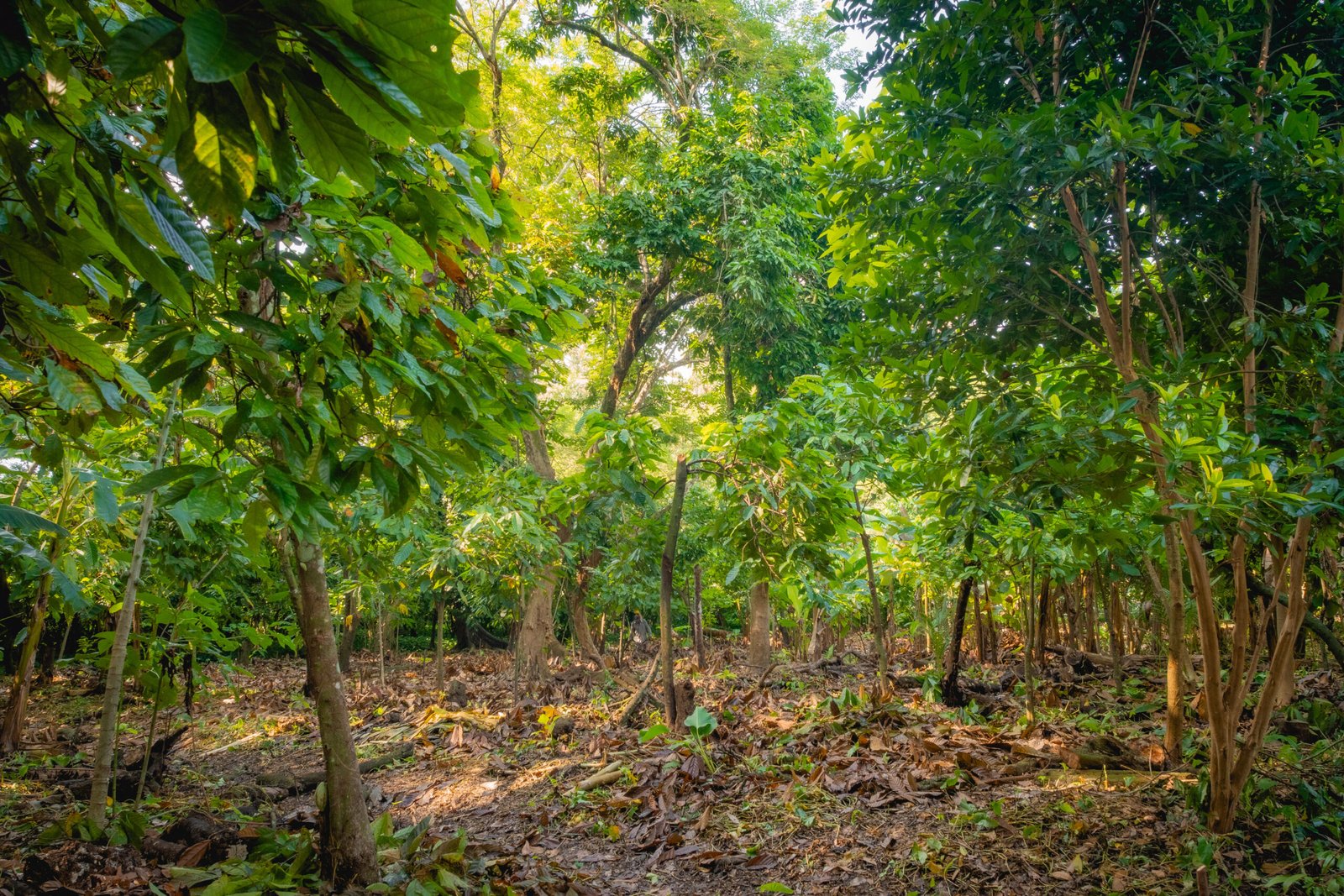
During our initial visit, the cooperative guided us through their farms and shared where targeted investment could make the biggest difference. Based on these insights, we partnered to plan the construction of two new drying facilities aimed at improving post-harvest quality and reducing losses. We later returned to the region to follow up on the project, assess progress, and align next steps with farmers and cooperative leaders.
Project Outcome
By the end of 2025, two new shared drying facilities were completed in partnership with the local cooperative, supporting improved cocoa quality and more reliable post-harvest practices. The facilities now serve over 100 farmers, strengthening collaboration across the cooperative and creating shared value at community level. Beyond the physical infrastructure, this project established a trusted partnership in West Africa and set a clear foundation for future microprojects in Côte d’Ivoire—rooted in long-term collaboration, transparency, and mutual growth.
Site Audit
Performed waste and energy assessment; estimated 4–5 tons of daily cow dung.
System Design
Custom fixed-dome digester with gas storage, slurry outlet, and underground piping.
Construction
Took 6 weeks with local masonry labor and prefabricated dome components.
Installation & Integration
Biogas piped directly to kitchen, milking parlor, and backup generator.
Training & Handover
Staff trained on maintenance, gas flow control, and slurry reuse.
Photo Gallery